Education
ADRA Mozambique has been working in the field of education for 11 years (8 years in adult literacy and numeracy training and 3 years in formal education).
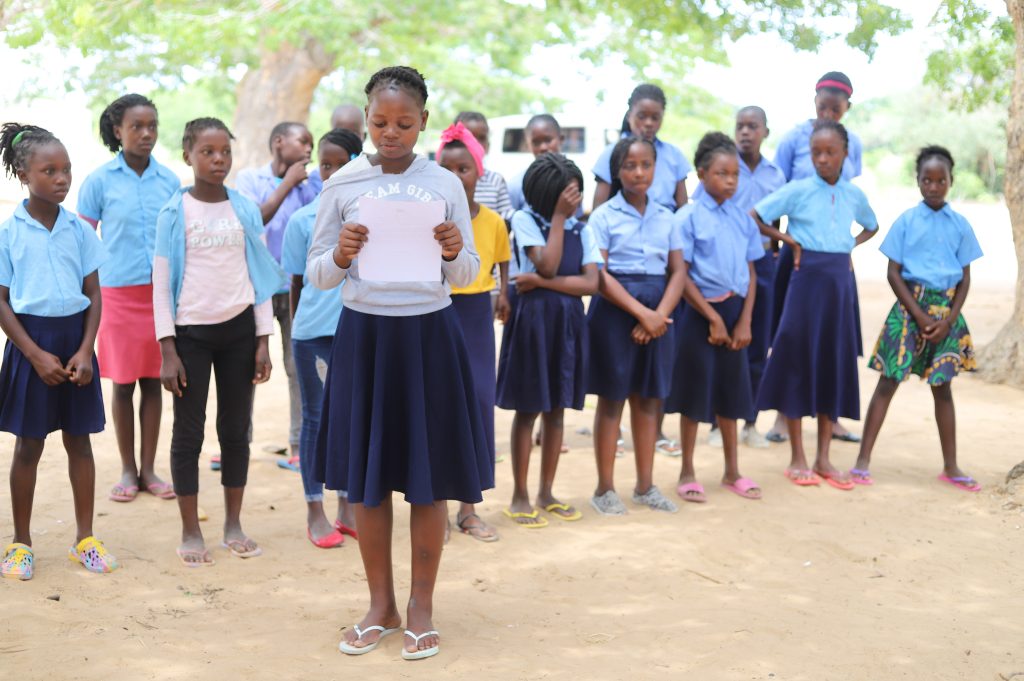
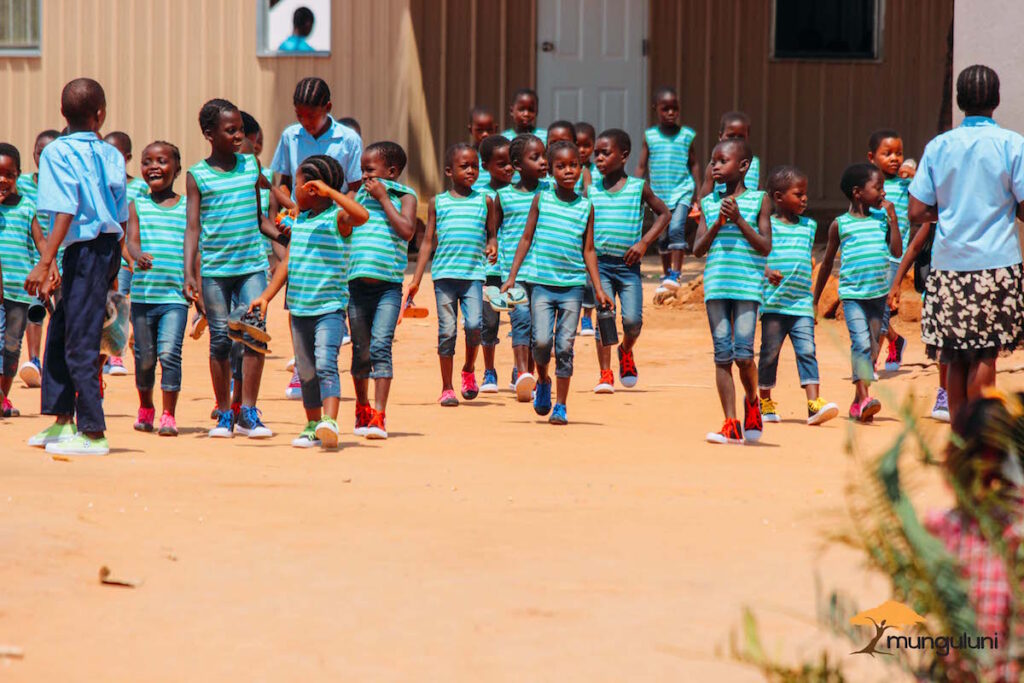
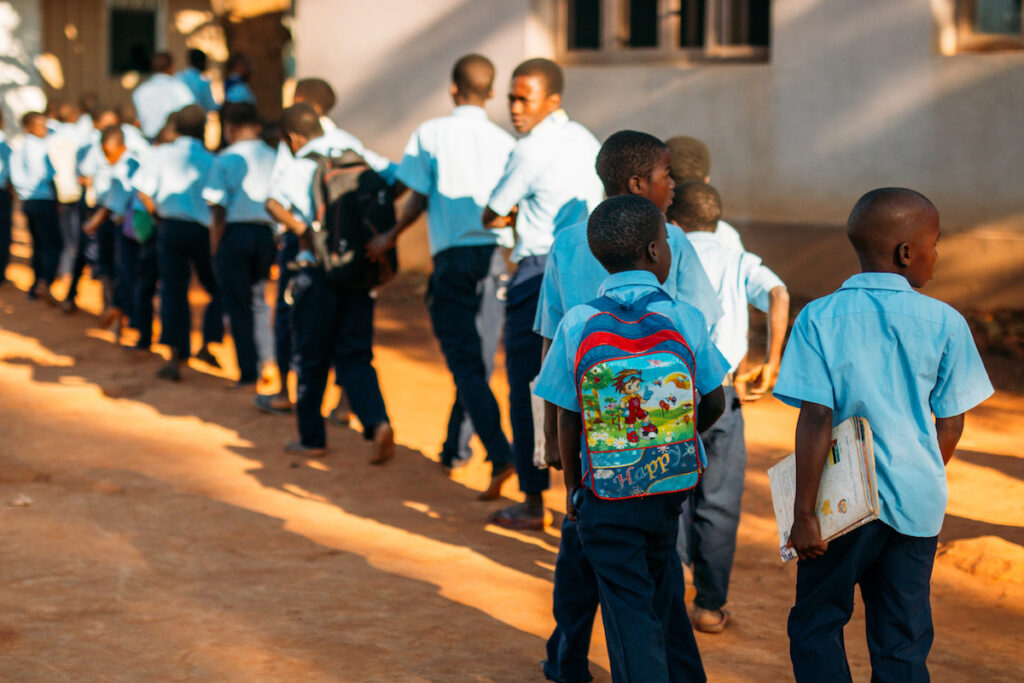
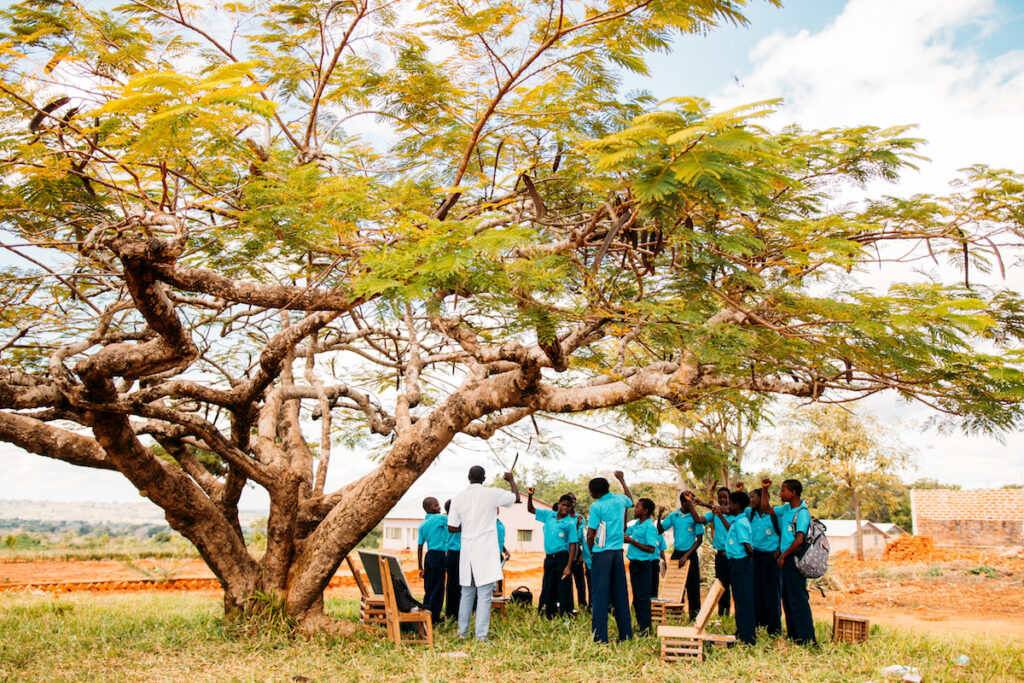
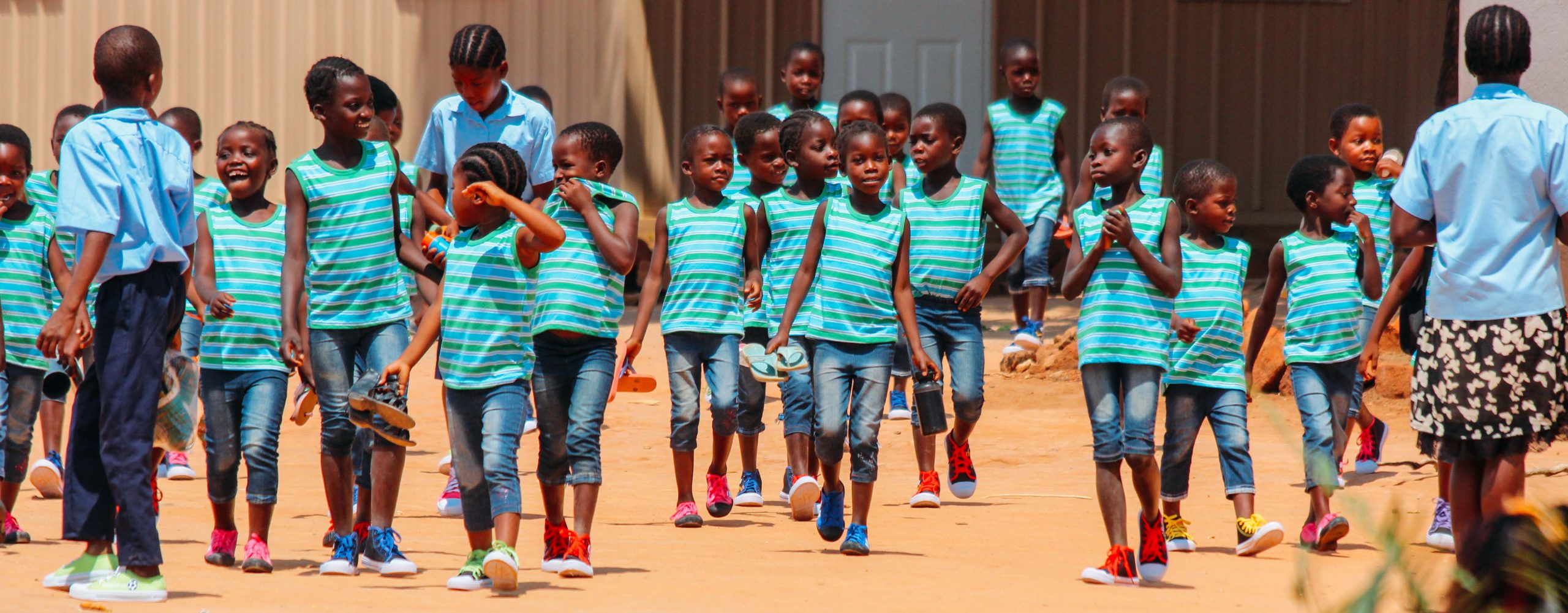
ADRA Mozambique has been working in the field of education for 11 years (8 years in adult literacy and numeracy training and 3 years in formal education). ADRA has been providing holistic, quality formal education, without segregation, which promotes intellectual, physical and spiritual human development in the Munguluni Mission, Lugela district, Zambezia province. ADRA contributed to the country's national education expansion plan, implementing a comprehensive curriculum and developing school infrastructure in the revitalization of a mission that had been destroyed during the civil war. ADRA raised the level of education from the 5th grade of elementary school to the 9th grade of secondary school, where it achieved a 100% pass rate for two consecutive years in the 7th grade.
You are helping to break the cycle of poverty.
YOUR impact
Emergency School Feeding Project
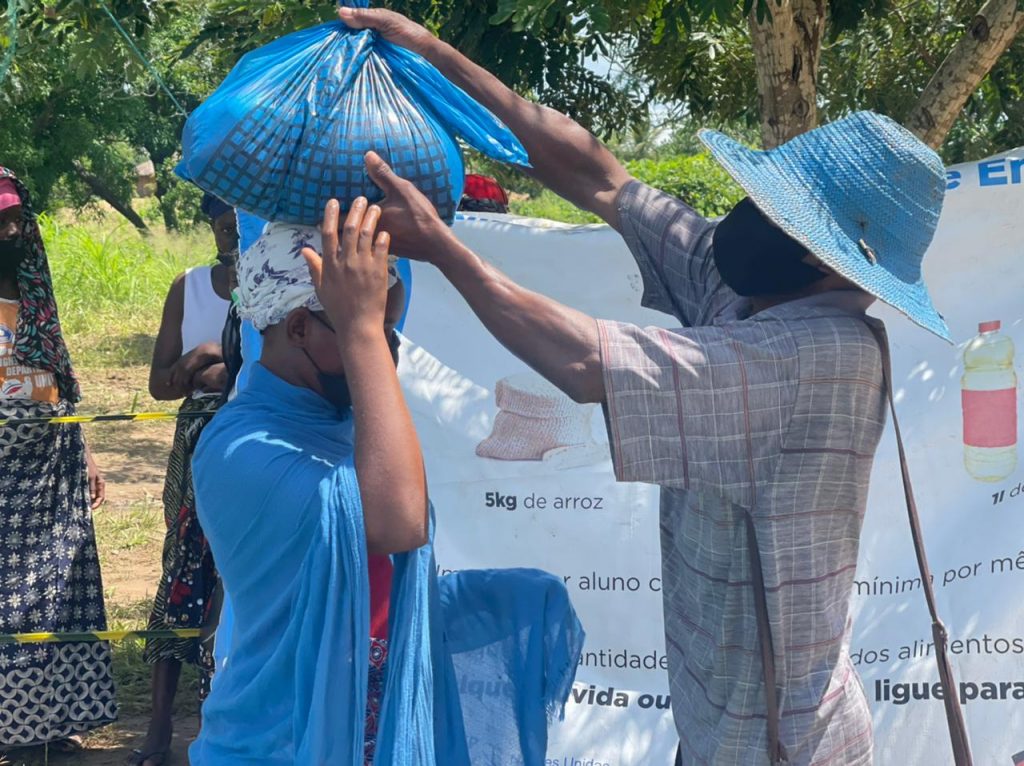
Also in the context of assisting internally displaced people in Cabo Delgado province, ADRA, in partnership with the World Food Program (WFP), is implementing the Emergency School Feeding Project with the aim of increasing access to food and improving school enrolment in 39 elementary school in Cabo Delgado province, ensuring that at least all schools have an average attendance of 80% of pupils in 5 districts of the province: Ancuabe, Chiúre, Metuge, Pemba and Montepuez. Lasting seven months, the project runs from September 1, 2021 until April 2022 and will reach more than 44,408 vulnerable IDPs and host school children, from 1st to 7th grade, in the 39 schools in the districts mentioned.
ADRA contributed to the country's national education expansion plan, implementing a comprehensive curriculum and developing school infrastructure in the revitalization of a religious mission destroyed during the civil war. ADRA raised the level of education from the 5th grade of elementary school to the 9th grade of secondary school, where it achieved a 100% pass rate for two consecutive years in the 7th grade.
Student enrollment in the formal sector increased from 263 in 2013 to 467 in 2016 (in 3 years), and 14,800 adults benefited from literacy training, exceeding the target of 9,000. In addition, 7,402 farmers completed a 3-year adult literacy program and 13,712 were trained in business education using the REFLECT methodology.
To ensure the sustainability of orphans and vulnerable children, in a recently completed project in Zambezia province, 60 young farmers' clubs (JFCs) were created and formed, made up of 30 to 40 children each, aged between 6 and 15. They received training in life skills, including agricultural training, home gardening and children's rights, education, reconstituted families and support in obtaining birth certificates.